Category: Living Room Lighting

How to Mix Pendant Lights and Recessed Lighting in a Living Room

How to Mix Pendant Lights and Recessed Lighting in a Living Room?

How to Mix Pendant Lights and Recessed Lighting in a Living Room

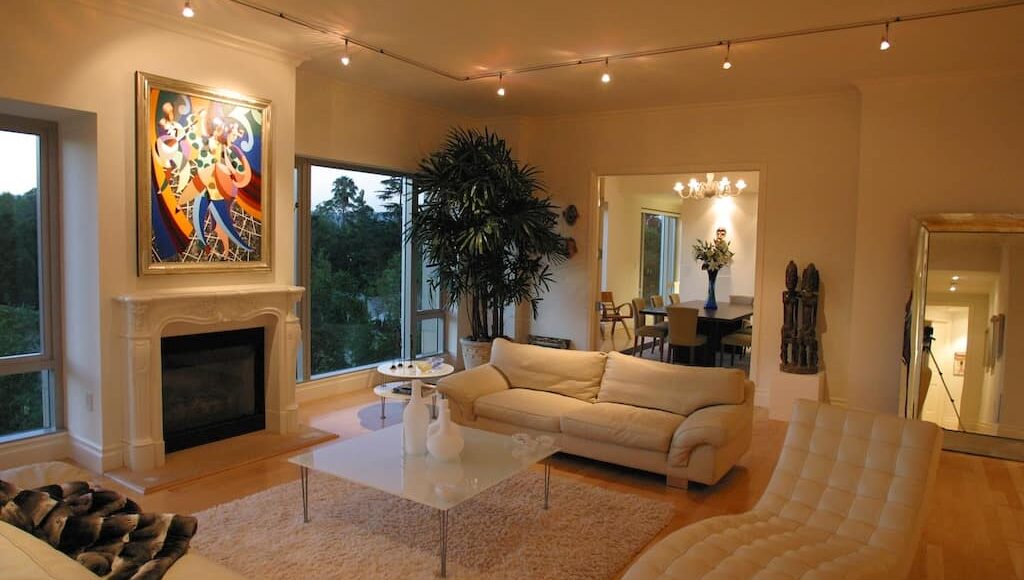
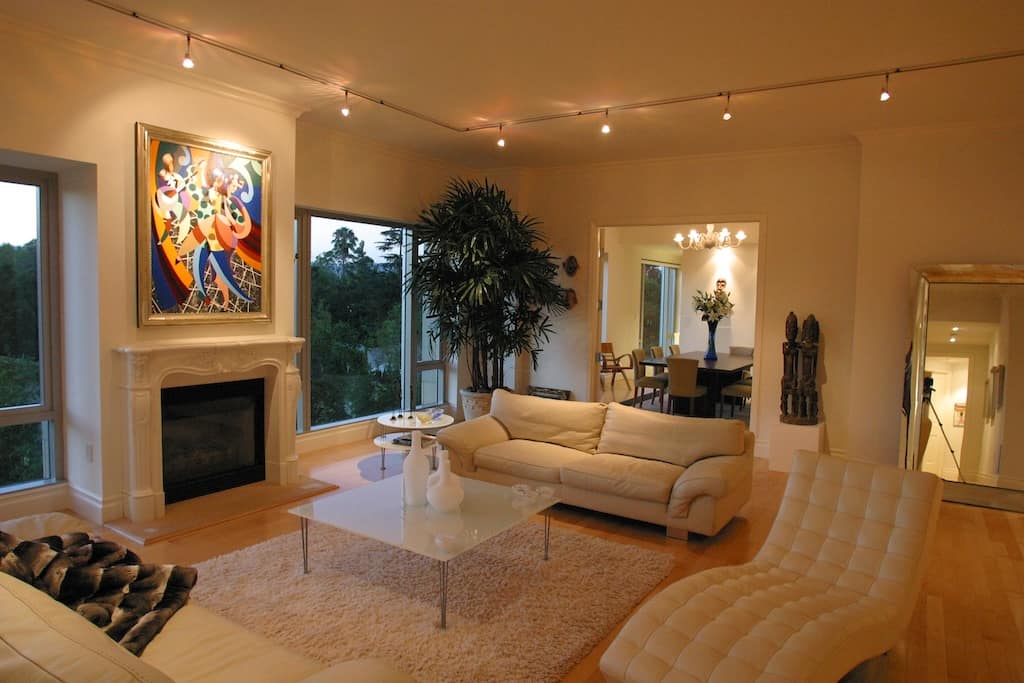
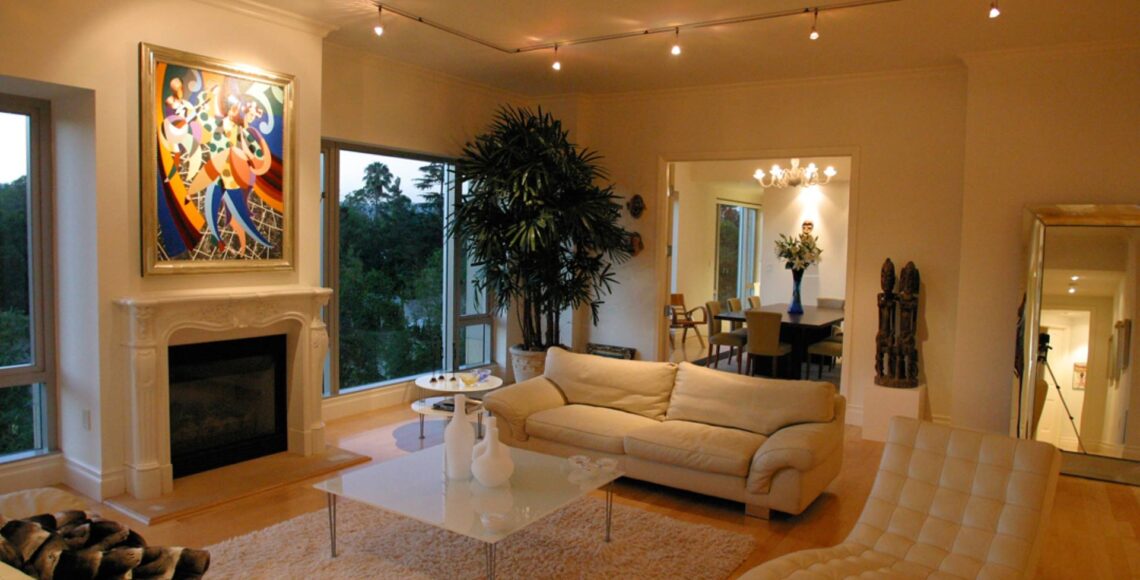
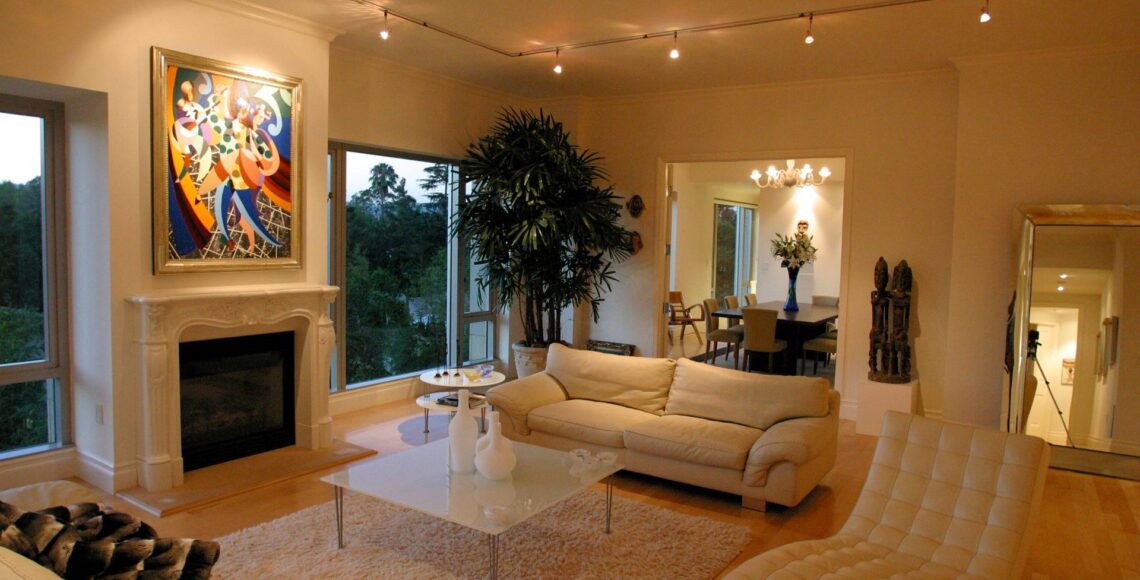
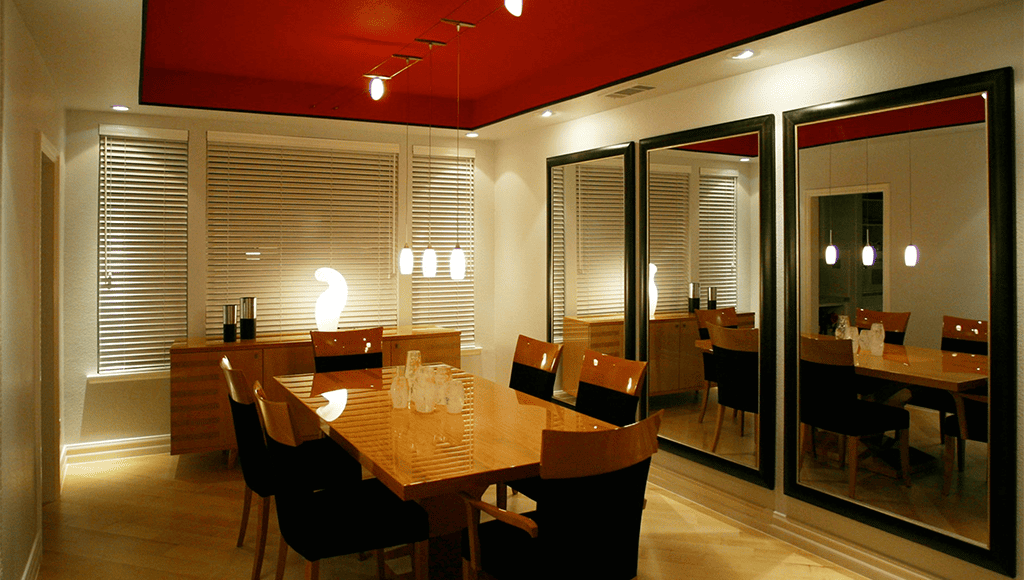
Mixing pendant lights and recessed lighting in a living room works best by using recessed fixtures to provide even ambient illumination across the space, then layering pendants strategically to add visual interest, define zones, and create a focal point. Together, these two fixture types complement each other as recessed lighting handles the functional foundation while pendants bring personality, warmth, and design intent to the room.

Getting this combination right takes more than simply installing both types of fixtures as part of your living room lighting. It requires thoughtful planning around placement, spacing, brightness levels, and how the two layers interact with each other and the rest of the room. In this guide, we’ll walk through everything you need to know to mix pendant lights and recessed lighting in a way that feels polished, balanced, and intentional.

Why Do Pendant Lights and Recessed Lighting Work So Well Together?

Pendant lights and recessed lighting are a natural pairing because they serve different but complementary roles in a well-designed living room. Recessed lighting sits flush with the ceiling and distributes light broadly and evenly, making it ideal for ambient illumination. Pendants hang at a lower level, drawing the eye downward and creating warmth, dimension, and visual hierarchy in the space.

When used together, they prevent the two most common lighting problems in living rooms:

  • A flat, uniform look caused by relying on recessed lighting alone
  • Poor overall visibility caused by using only decorative fixtures without adequate ambient light

The combination also gives homeowners flexibility. Recessed lights can be dimmed to a soft background level while pendants take center stage during evenings or entertaining, or both can run at full brightness for daytime tasks. This layered approach is the foundation of professional lighting design and is what separates a thoughtfully lit room from one that simply has lights in it.

How Should You Plan the Layout of Recessed Lighting in a Living Room?

Before adding pendants, the recessed lighting layout needs to be planned carefully. Poorly spaced recessed fixtures create uneven brightness, dark corners, or harsh hotspots that no amount of decorative lighting can fix.

Key rules for recessed lighting placement:

  • Space fixtures roughly half the ceiling height apart (e.g., 8-foot ceilings = fixtures spaced about 4 feet apart)
  • Keep fixtures at least 2 feet away from walls to avoid scalloping — the curved shadow pattern that appears when lights are placed too close to a vertical surface
  • Use a consistent grid pattern for a clean, symmetrical look
  • Plan around furniture placement so fixtures align with seating areas, not randomly across the ceiling
  • Choose a beam angle of 90 degrees or wider for general ambient coverage

Avoiding these layout mistakes is just as important in a living room as avoiding mistakes in bathroom lighting — poor placement in either space leads to uneven illumination, unflattering shadows, and a room that never quite feels right no matter how nice the fixtures are.

Where Should Pendant Lights Be Placed in a Living Room?

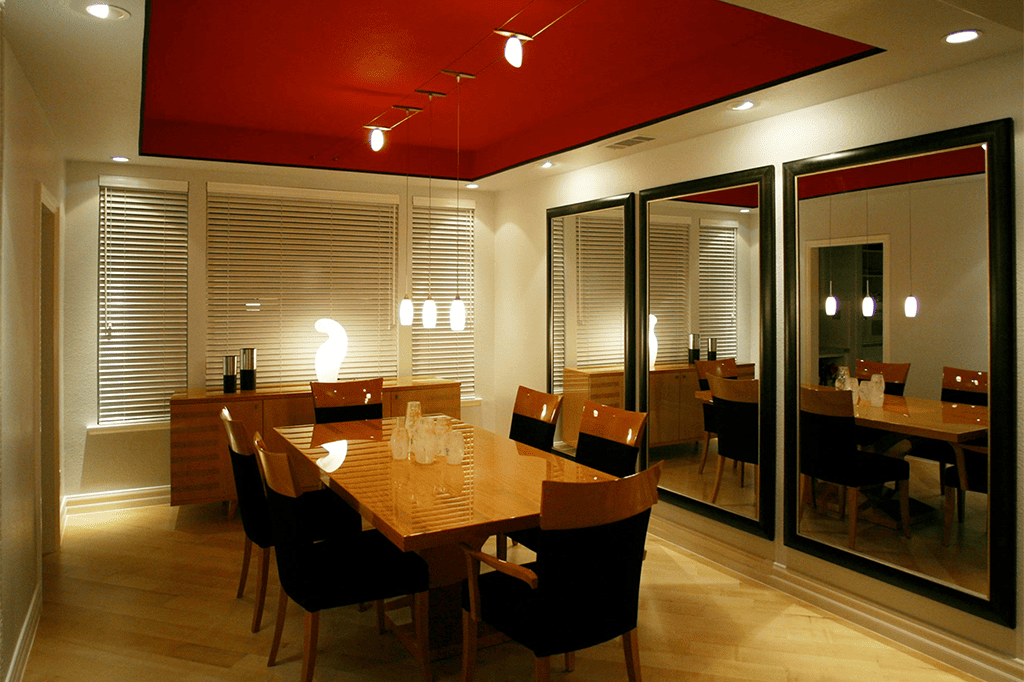
Once the recessed lighting foundation is in place, pendants can be layered in to define specific areas and add visual character. In a living room, pendants work best when they serve a clear purpose rather than floating randomly in the space.

The best locations for pendant lights in a living room:

  • Above a coffee table or seating area — a cluster of two or three pendants hung at varying heights creates a cozy, intentional focal point
  • Over a reading nook or accent chair — a single pendant provides task lighting while anchoring the corner
  • Flanking a fireplace — symmetrical pendants on either side of a fireplace add balance and frame the focal wall
  • In an open-plan living and dining space — pendants over the dining table visually separate the two zones without a physical barrier

When hanging pendants in a living room, the bottom of the fixture should generally sit 6 to 7 feet above the floor in open areas. Over a coffee table or low surface, dropping them slightly lower — around 5.5 to 6 feet — creates a more intimate, layered feel without becoming an obstacle.

How Do You Balance Brightness Between Pendants and Recessed Lights?

One of the most overlooked aspects of mixing fixture types is managing brightness so neither layer overpowers the other. When recessed lights run at full intensity alongside decorative pendants, the ambient light drowns out the warmth and visual impact the pendants are meant to provide.

Tips for balancing brightness in a layered lighting system:

  • Install dimmer switches on both recessed fixtures and pendants independently so each layer can be adjusted separately
  • Set recessed lights to 50–70% brightness as a baseline when pendants are in use
  • Choose pendant bulbs with a warm color temperature of 2700K–3000K to complement the softer mood
  • Match the color temperature of recessed and pendant bulbs so the room feels cohesive rather than patchy
  • Use smart lighting controls to save preset scenes for different times of day or activities

The goal is for both fixture types to feel like part of the same design rather than two separate systems competing for attention. When brightness is balanced correctly, the recessed lighting recedes into the background and the pendants become the visual anchor of the room.

What Mistakes Should You Avoid When Mixing Pendant and Recessed Lighting?

Even with the right fixtures, a few common missteps can undermine the entire living room lighting design. Knowing what to avoid is just as valuable as knowing what to do.

Mistakes to avoid:

  1. Installing too many recessed fixtures — overcrowding the ceiling with recessed lights creates a commercial, clinical look and leaves no visual breathing room for pendants to stand out
  2. Hanging pendants too high — pendants that sit too close to the ceiling lose their layering effect and read as ceiling fixtures rather than accent pieces
  3. Mismatching color temperatures — combining warm and cool bulbs across fixture types creates an uneven, disjointed look
  4. Ignoring dimmer controls — without dimmers, there is no way to shift the mood of the room or balance the two lighting layers effectively
  5. Choosing pendants that are too small — undersized pendants get lost in a living room; scale matters as much as style

Avoiding these pitfalls ensures the two fixture types work together rather than against each other, resulting in a living room that feels designed, comfortable, and visually balanced at any time of day.

Q&A: Mixing Pendant and Recessed Lighting

Q: Can you use pendant lights and recessed lighting together in a living room?

A: Yes — pendant lights and recessed lighting work extremely well together in a living room. Recessed fixtures provide the ambient foundation while pendants add warmth, personality, and visual depth. The key is planning placement carefully and using dimmers so each layer can be adjusted independently for different moods and activities.

Q: How many pendant lights should I use in a living room?

A: The right number depends on the size of the room and the specific area you are lighting. A single large pendant or a cluster of two to three smaller pendants works well above a seating area or coffee table. Avoid using too many pendants across an open ceiling, as this competes with the recessed lighting and creates visual clutter.

Q: What is the best color temperature for living room lighting?

A: For most living rooms, a warm white color temperature between 2700K and 3000K creates the most comfortable and inviting atmosphere. This range feels natural and relaxing, which suits the way most people use their living rooms in the evening. Keeping all fixtures within the same color temperature range ensures the room looks cohesive.

Q: Do I need a professional to install pendant lights and recessed lighting?

A: For new installations or any work that involves running wiring through ceilings, professional installation is strongly recommended. A lighting designer can also help plan the layout, spacing, and fixture selection before any work begins, which prevents costly mistakes and ensures the finished result looks and performs exactly as intended.

Where Can I Find a Living Room Lighting Design Expert Near Me?

Mixing pendant lights and recessed lighting in a living room is one of the most effective ways to create a space that feels layered, comfortable, and visually polished. When both fixture types are planned together — with careful attention to placement, brightness, color temperature, and scale — the result is a room that works beautifully for everyday living and entertaining alike.

Professional lighting design takes the guesswork out of the process and ensures every fixture serves a purpose. Contact Lighting Distinctions today to speak with our design team and start creating a living room lighting plan that brings your space to life.

San Diego Interior Lighting: Crafting the Perfect Living Room Lighting Design

San Diego Interior Lighting: Crafting the Perfect Living Room Lighting Design

San Diego Interior Lighting: Crafting the Perfect Living Room Lighting Design

Creating the perfect ambiance in your living room starts with masterful interior lighting design. In San Diego, where the blend of indoor and outdoor living is essential, the right lighting can enhance your home’s aesthetic and functionality.

This blog will guide you through the latest trends and techniques in crafting a lighting scheme that reflects your personal style and meets your practical needs. From selecting the ideal fixtures to incorporating smart technology for ease and efficiency, we’ll explore how to illuminate your living space in ways that are both beautiful and beneficial.

Temperature

Choosing the right color temperature for your living room lighting is essential in creating the desired ambiance. LED lights are an excellent choice for this space due to their efficiency and versatility. They are long-lasting, consume less energy than traditional bulbs, and are available in a range of color temperatures to suit different moods and functions.

Color temperature is measured in Kelvin (K), and for a living room, the selection can greatly influence the room’s feel. A warm color temperature (around 2700K to 3000K) emits a soft, yellowish hue, akin to the glow of incandescent bulbs. This warmth makes the space feel cozy and inviting, perfect for relaxing in the evening or hosting casual gatherings.

On the other hand, a cooler color temperature (around 4000K to 5000K) produces a whiter and more vibrant light. This can energize the environment, making it ideal for rooms used for reading, crafting, or other activities requiring more attention and alertness.

Ultimately, the choice between warm and cool lighting in your living room depends on how you use the space and the atmosphere you want to create. LED lights offer the flexibility to adjust and experiment with these settings, allowing you to tailor the ambiance to your specific needs and preferences.

Ambient vs. Direct Lighting

Deciding between ambient and direct lighting is a crucial aspect of living room lighting design, as each type serves a unique purpose and creates different environments for your home in San Diego.

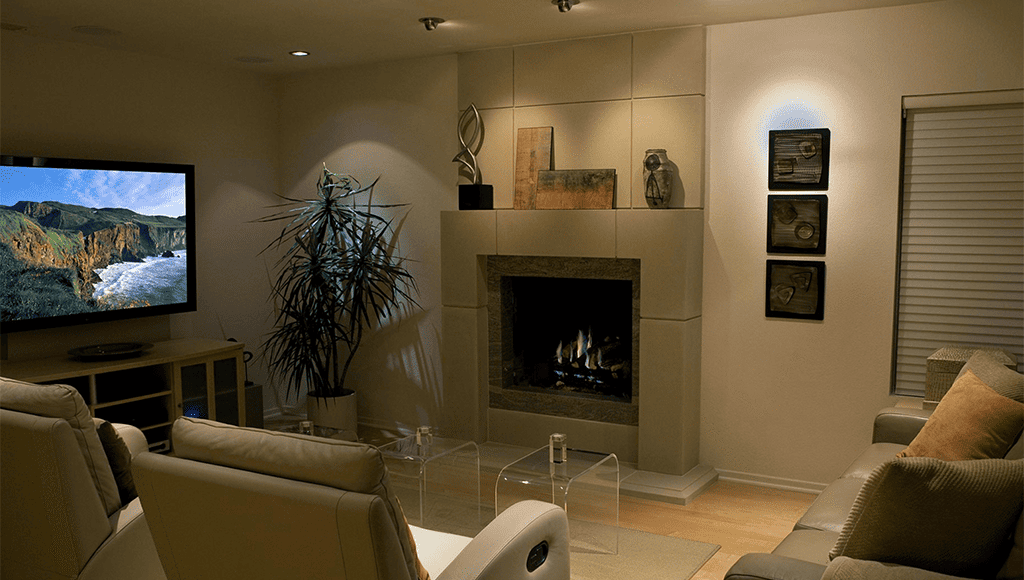
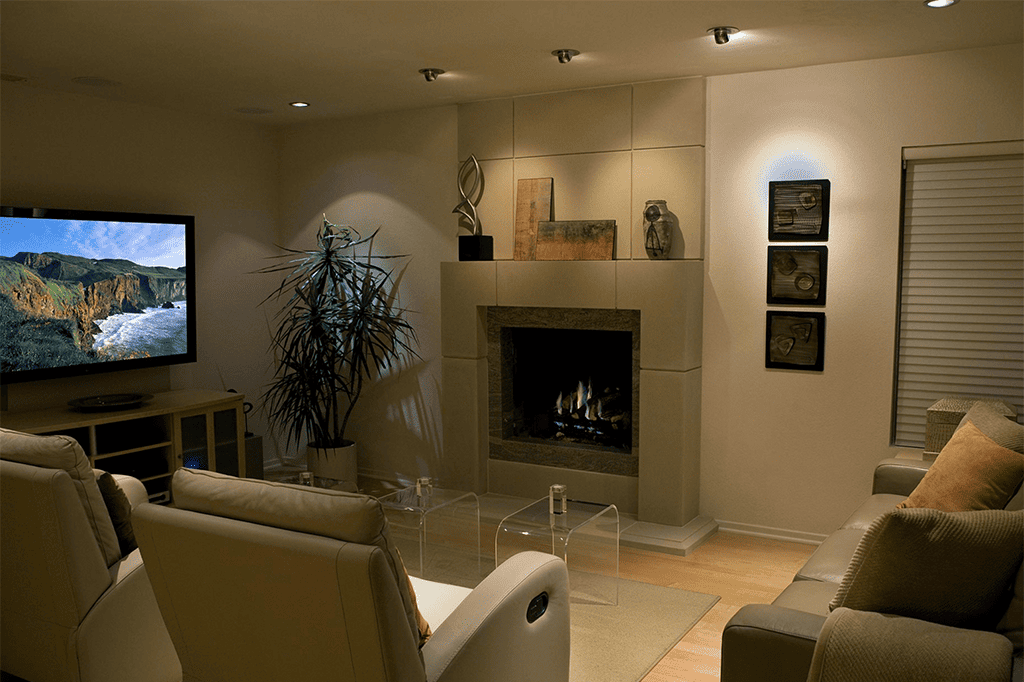
Ambient lighting, also known as general lighting, is the foundation of a rooms lighting plan. It provides a uniform level of illumination throughout the space without harshness. This type of lighting is typically achieved through ceiling fixtures, chandeliers, or recessed lights, offering a comfortable level of brightness that allows for safe movement and general use of the space. Ambient lighting creates a welcoming and relaxing atmosphere, making it ideal for living rooms where people gather socially or unwind at the end of the day.

Direct lighting, or task lighting, on the other hand, is intended for specific areas within a room to aid in performing particular tasks. Examples include reading lamps, under-cabinet lighting, or spotlighting. This focused light helps to prevent eye strain and increases visibility for activities like reading, writing, or intricate hobbies. By highlighting specific zones or features, direct lighting also adds visual interest and can accentuate artwork, decor, or architectural features.

Both lighting types are essential. Ambient lighting sets the mood and overall brightness, while direct lighting adds functionality. Strategically combining these can create a layered and versatile lighting scheme that enhances both the utility and aesthetics of your living room.

Fixtures

The choice of fixtures in your living room lighting design is not only about illuminating your space but also about complementing the overall theme of your home. Each fixture should reflect your home’s style, whether it’s modern, traditional, rustic, or eclectic. For example, a contemporary home might benefit from sleek, metallic fixtures with clean lines, whereas a more traditional setting could be enhanced by ornate chandeliers or lampshades with rich textures and colors. The right fixtures can serve as a focal point or seamlessly integrate with the room’s decor, thereby enhancing the aesthetic appeal and creating a cohesive look.

In addition to style, functionality is crucial in lighting fixtures. Installing dimmer switches is an excellent way to enhance the functionality of your lighting. Dimmers allow you to adjust the light intensity based on the time of day or the activity taking place. This flexibility not only helps in creating the right ambiance, be it bright and energetic for a morning coffee or subdued and intimate for an evening movie, but also offers energy efficiency by reducing electricity usage when full brightness is not needed.

Overall, the careful selection of lighting fixtures and the installation of dimmer switches can dramatically influence the look and feel of your living room, making it a more adaptable and enjoyable space.

Technology

Modern living room design in San Diego is increasingly integrating smart technology into lighting schemes, enhancing both functionality and convenience. With the advent of smart lighting systems, homeowners can now control their lighting environment with just a few taps on a smart device app. This technological advancement allows for an unprecedented level of control over the lighting atmosphere in one’s home.

Going smart with your living room lighting means you can adjust brightness, switch lights on or off, and even change light colors from anywhere, whether you’re at home or away. The app-enabled features extend to setting timers for lights to turn on and off at predetermined times, ideal for making the house look occupied when you’re on vacation, or for waking up to a gently lit environment.

Many smart lighting systems include dimmer capabilities without the need for traditional dimmer switches. This allows for seamless adjustment of lighting levels to suit different activities or times of day. Voice technology integration takes convenience further, enabling voice commands through digital assistants like Alexa, Google Assistant, or Siri to control your lights, making the system hands-free.

Find the Perfect Lighting for Your San Diego Home

Crafting the perfect living room lighting design in San Diego involves understanding the interplay of color temperature, choosing between ambient and direct lighting, selecting the right fixtures, and incorporating cutting-edge smart technology. By considering these elements, you can create a living room that not only looks stunning but also functions beautifully, meeting all your lighting needs while enhancing the overall design of your home. Whether you’re starting from scratch or planning to upgrade, the possibilities are limitless when you integrate these modern lighting solutions.

Ready to transform your living room with ideal lighting that matches your style and needs? Contact the experts at Lighting Distinctions today to get the ball rolling on your perfect living room lighting design. Let us help you illuminate your space in the most spectacular way!

Make Your Living Room into a Cozy Oasis.jpg

Make Your Living Room into a Cozy Oasis

Are you looking to turn your living room into a cozy oasis? If so, there are many ways to accomplish this goal. Combining different styles, finishes, and textures is key in creating the perfect space for relaxation and entertaining.

With careful planning and creative touches, you can transform your living room into an inviting spot that will make everyone feel welcome. When creating the lighting of your dreams, you don’t have to stick to one particular design style.

Instead, try mixing and matching different pieces that appeal to you. Finishes like wood, metal, and glass can give the space a unique look while adding in an element of texture.

Read More

La Jolla Living Room Lighting Design Tips Five Lighting Mistakes and How to Avoid Them in Your Living Room-min.jpg

La Jolla Living Room Lighting Design Tips: Five Lighting Mistakes and How to Avoid Them in Your Living Room

Do you have a tight living room lighting budget, but you still want to improve the way it looks? If that is the case, the last thing you want to do is fall victim to common lighting mistakes.

Your living room should be comfortable, functional, and have all the decor you love, yet a poor living room lighting design can change all of that.

Learn the top five living room lighting mistakes people make and how you can rectify them for your La Jolla home. 

Read More

Transform Your Living Room from Boring to Stylish with Lighting-min.jpg

Transform Your Living Room from Boring to Stylish with Lighting

The living room is one of the focal points of the home. It’s where you retreat to snuggle up on the sofa with a good book, and where you chatter with friends and family with a delicious glass of red wine.
The living room offers endless pleasures, and that’s why it’s so important to keep the space comfortable, welcoming, and well-lit.
If you want to transform your living room, one of the best ways to do so is to invest in great lighting. The right lighting, whether used for relaxing, reading, or anything else, makes spending time in the living room so much more pleasant and practical.
Not sure where to start when it comes to choosing lighting? Don’t worry, we’re here to help. Check out our lighting ideas to evolve your San Diego area living space.

Read More

Learn More About Our 3-Day Outdoor Lighting Trial