What Are the Most Common Path and Walkway Lighting Mistakes?
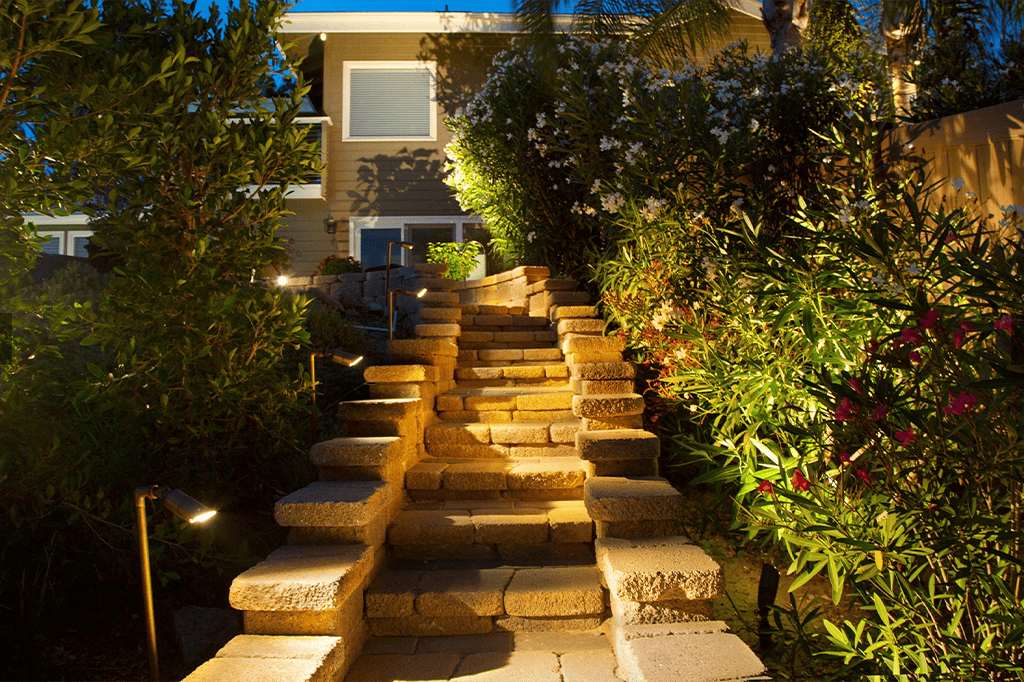
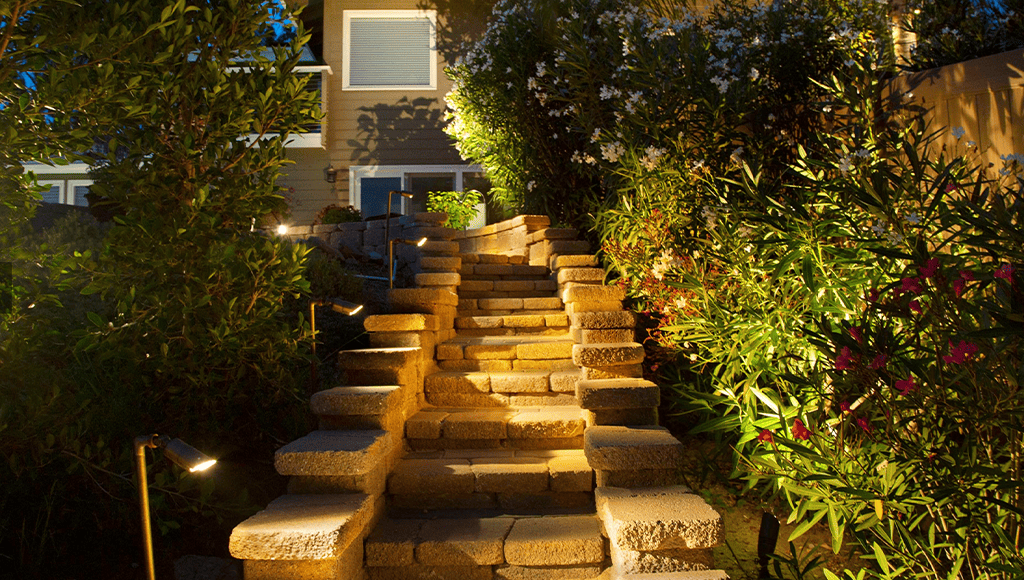
The most common path and walkway lighting mistakes include placing fixtures too close together, using overly bright lights, choosing unsuitable fixtures, leaving hazardous dark spots, mixing color temperatures, overlooking plant growth, and neglecting maintenance. A better design uses carefully placed, shielded lighting to make the route easy to follow while keeping the landscape natural and inviting.
A walkway should welcome guests, not compete with the home or feel like an airport runway. Thoughtful lighting reveals edges, steps, and changes in direction without overwhelming the surrounding garden. Avoiding these seven mistakes helps create a more comfortable approach to your front door or backyard.
Why Does Placing Path Lights Too Close Together Create a Runway Effect?
Closely spaced fixtures in matching rows can make a residential walkway look rigid and crowded. Repeated bright pools pull attention toward the lights instead of the landscaping, especially when identical fixtures line both sides of a narrow path.
A more natural layout should:
- Use each fixture’s light spread to guide placement rather than a fixed spacing rule
- Stagger fixtures where appropriate instead of automatically pairing them across the path
- Give extra attention to turns, intersections, and elevation changes
Staggering is not a substitute for adequate coverage. Check the finished layout after dark to make sure the walking surface remains comfortably visible between fixtures.
Can Path Lights Be Too Bright?
Yes. Exposed bulbs and high-output fixtures can produce glare, making the walkway uncomfortable to look toward. Strong contrast between bright pools and surrounding darkness can also make nearby details harder to distinguish.
Choose shielded fixtures that direct light toward the walking surface, not into approaching guests’ eyes or neighboring windows. Use only the output needed for comfortable visibility, accounting for reflective paving and light-colored walls. Adjustable output can help fine-tune the result without replacing fixtures.
The goal is to see where you are walking, not to make the landscape look like daylight.
How Can the Wrong Fixtures Disrupt the Landscape?
A fixture can provide light and still feel out of place. Oversized bollards may dominate a small garden path, while an ornate lantern can look disconnected from a clean-lined contemporary home.
Consider the home’s architecture, nearby materials, and planting style alongside the fixture’s beam pattern and glare control.
| Setting | Fixture Approach | What to Avoid |
| Modern home | Simple, shielded fixtures with restrained finishes | Oversized or visually busy designs |
| Traditional garden | Understated fixtures that echo existing details | Decorative choices that expose bright bulbs |
| Narrow walkway or steps | Compact path lights or integrated step lights | Fixtures that obstruct the walking route |
A coordinated design lets the home and landscape remain the focus while the fixtures quietly support them.
Why Should You Check for Shadows and Dark Spots?
Lighting the edges of a path does not guarantee that the entire walking surface is visible. Poor placement, blocked beams, and changes in elevation can leave steps, uneven paving, or turns difficult to recognize.
Understanding the downside to overlighting helps explain why simply adding brighter fixtures is not the answer. Excessive brightness can increase contrast without correcting the actual gap in coverage. Repositioning a fixture or adding a targeted step light may be more effective.
During an after-dark walkthrough, check:
- Steps, landings, and changes in level
- Curves, intersections, and transitions between paving materials
- Shadows cast by planters, walls, and shrubs
Some shadow adds depth to a garden. The mistake is leaving important walking areas hidden within it.
What Happens When You Mix Warm and Cool Color Temperatures?
Mixing warm path lights with cool-white fixtures can make the landscape feel inconsistent. The contrast becomes especially noticeable where the walkway meets porch lights, garden accents, or a patio.
Color temperature describes how warm or cool light appears; it does not measure brightness. Warm white is generally an inviting starting point for residential walkways.
| Color Temperature | Appearance | Design Consideration |
| 2700K | Warm and soft | Comfortable alongside wood and natural stone |
| 3000K | Slightly crisper warm white | Useful for a clean, coordinated look |
| 4000K and above | Cooler white | Can feel stark beside warm landscape lighting |
Coordinate connected areas and test light against your actual materials before choosing lamps or integrated fixtures.
How Can Landscaping Growth Block Path Lighting?
A fixture that works beside a newly planted shrub may disappear behind it as the garden matures. Expanding foliage can interrupt light spread, create unexpected shadows, and make maintenance difficult.
Plan beyond installation day by:
- Allowing for the mature height and spread of nearby plants
- Keeping light openings clear of groundcover and ornamental grasses
- Leaving access for cleaning, inspection, and adjustment
Review the lighting as the landscape develops. Selective pruning or professional fixture relocation can restore coverage without adding unnecessary lights.
Why Do Maintenance and Durability Matter?
Outdoor fixtures face moisture, irrigation, soil, and daily exposure. Choosing products unsuitable for those conditions can lead to corrosion, damaged housings, and unreliable illumination. Coastal properties also need materials and finishes suited to salt exposure.
Choose fixtures rated for their intended outdoor location, with suitable seals, secure mounting, and accessible service components for your pathway lighting design.
Regular maintenance should include:
- Cleaning lenses according to the manufacturer’s instructions
- Clearing leaves and mulch from fixtures
- Checking for tilted lights, damaged parts, and failed lamps
- Reviewing timers and replacing lamps with matching color temperatures
Have a qualified professional address damaged wiring or connections. Even a well-designed system needs attention to keep its original balance and coverage.
FAQ: Path and Walkway Lighting Mistakes
Q: How far apart should walkway lights be?
There is no universal spacing. Fixture height, beam spread, path width, and surrounding conditions determine placement. Test the layout at night rather than relying only on measurements.
Q: Should path lights go on both sides of a walkway?
Not always. One side or a staggered layout may provide enough coverage. Wider paths and complex layouts may need lighting from both sides, without closely paired rows.
Q: Is warm or cool light better for a garden path?
Warm white around 2700K to 3000K usually creates a welcoming residential setting. Coordinate it with nearby fixtures so the landscape feels consistent.
Q: Why is my walkway still dark even with several lights?
Blocked beams, unsuitable light distribution, poor placement, or failed lamps may leave gaps. Check coverage and obstructions before adding more fixtures.
Where Can I Find a Path and Walkway Lighting Designer Near Me?
A welcoming walkway depends on thoughtful placement, comfortable brightness, coordinated fixtures, and ongoing care. The best plan makes important details visible while preserving the atmosphere of the surrounding landscape.
Contact Lighting Distinctions today to speak with our design team about a path and walkway lighting plan that complements your home and creates a more comfortable outdoor experience after sunset.