
What Are the Best Lighting Ideas for a Modern Dining Room?
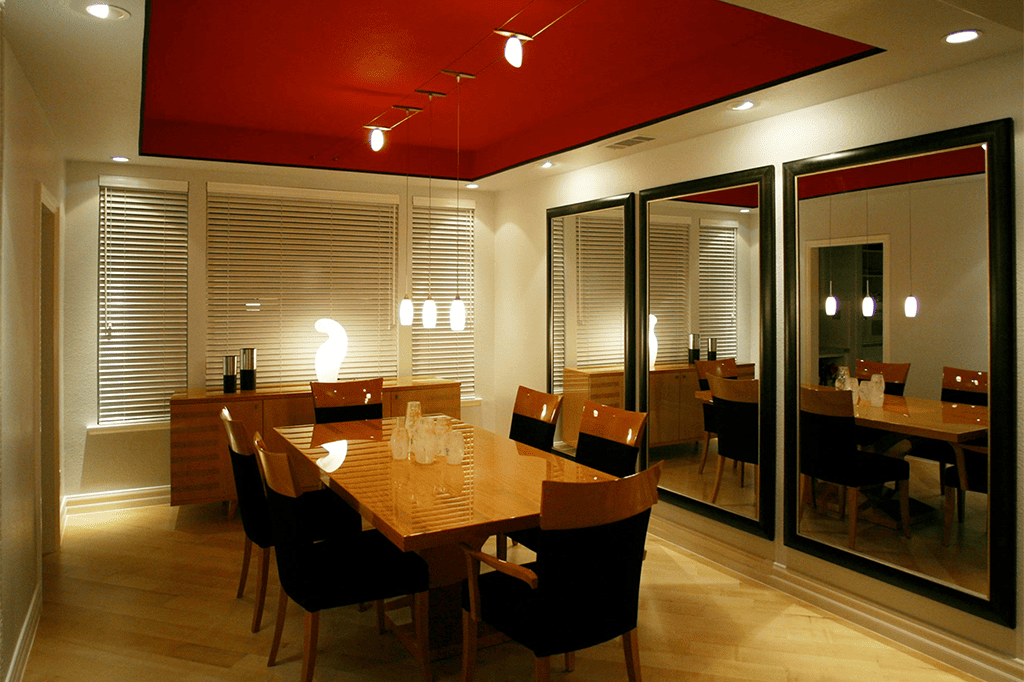
The best lighting ideas for a modern dining room combine layered illumination, warm and flattering color temperature, flexible dimming, and fixtures sized to the room and table. Rather than relying on one bright light overhead, a thoughtful dining room lighting plan creates a comfortable setting for everyday meals, entertaining, and everything in between.
Modern dining rooms are often open to kitchens, living areas, or outdoor spaces, so their lighting has to do more than make a table visible. It should define the dining zone, support conversation, flatter finishes and food, and feel connected to the rest of the home without becoming overly bright or visually busy.
Which Lighting Layers Make a Modern Dining Room Feel Complete?
A modern dining room feels more balanced when it uses several light sources with distinct jobs. A statement fixture over the table may be the visual center of the room, but it works best when softer ambient light and selective accents support it. This layered approach prevents the table from feeling isolated in a dark room or the entire space from feeling flat and overlit.
The three most useful lighting layers are:
- Ambient lighting for general comfort, such as recessed lights, a soft ceiling fixture, or indirect cove lighting
- Decorative and task lighting over the dining table, such as a chandelier, linear pendant, or sculptural fixture
- Accent lighting that draws attention to artwork, a textured wall, cabinetry, or an architectural detail
The right combination depends on the room. A dining space with abundant daylight may only need gentle ambient support at night, while a darker room may benefit from more carefully placed downlights and wall lighting. The goal is to create depth and flexibility, not to make every corner equally bright.
How Can Pendants, Chandeliers, and Recessed Lights Work Together?
The fixture above the table should usually establish the room’s personality. A slim linear pendant can reinforce the clean lines of a rectangular table, while a grouped pendant arrangement or a modern chandelier can make a round table feel intentional and inviting. The fixture should provide a pleasing pool of light without creating harsh glare for guests seated below.
An approach built around mixing pendant and recessed lighting is especially effective when each fixture type has a clear role. The pendant or chandelier creates a focal point and supports dining, while recessed lights fill in the surrounding room, brighten circulation paths, or highlight nearby art and finishes. Recessed fixtures should be spaced and aimed so they complement the main fixture instead of competing with it.
| Fixture Type | Best Use in a Modern Dining Room | Design Consideration |
| Linear pendant | Rectangular or oval dining table | Choose a length that feels proportional without spanning the entire table |
| Chandelier | Round table or larger formal dining room | Keep the visual weight aligned with the table, not just the ceiling height |
| Grouped pendants | Long tables or contemporary open plans | Use consistent spacing and matching drop heights |
| Recessed lighting | General illumination and edges of the room | Use warm, dimmable fixtures and avoid direct glare over seats |
| Wall sconces or picture lights | Artwork, sideboards, or textured walls | Add depth without relying on excessive overhead light |
When these fixtures are planned together, the dining area feels connected to adjacent spaces while still having its own identity. A lighting design professional can also help coordinate beam spreads and placement so the room has usable light without visible hotspots or distracting shadows.
What Color Temperature Looks Best in a Modern Dining Room?
Color temperature has a major effect on how a dining room feels. Measured in Kelvin, it describes whether light appears warmer and more golden or cooler and more blue-white. For most homes, warm white lighting creates a more relaxed, welcoming result and works well with wood, stone, upholstery, and skin tones.
A simple color-temperature guide:
| Color Temperature | Overall Appearance | Best Fit for the Dining Room |
| 2700K | Warm, soft, and inviting | Traditional, transitional, or cozy modern spaces |
| 3000K | Clean warm white | Most modern dining rooms and open-concept homes |
| 3500K+ | Cooler and crisper | Usually better reserved for task-heavy areas, not the table itself |
For a contemporary look, 3000K is often a strong starting point because it feels clean without becoming stark. However, the ideal choice should relate to nearby kitchen lighting and the home’s existing finishes. Keeping color temperatures consistent across connected spaces helps the home feel cohesive when several rooms are visible at once.
Why Are Dimmers Important for Dining Room Lighting?
A dining room is used differently throughout the day, so a single brightness level rarely feels right. Dimmers give homeowners the ability to brighten the room for homework, serving, or cleaning and soften it for a dinner party or quiet meal. They are one of the simplest ways to make a modern lighting plan feel more useful and more luxurious.
Dimmers help a dining room feel more adaptable by allowing you to:
- Raise the light level when setting the table, serving food, or cleaning up
- Lower overhead brightness so guests can relax and converse comfortably
- Balance a decorative fixture with recessed lights, sconces, or accent lighting
- Adjust the room as daylight fades in an open-concept home
- Reduce energy use and support longer LED life in many systems
For the best control, separate lighting into zones. The chandelier or pendants can be on one dimmer, recessed lights on another, and accent lighting on a third. This lets the room shift easily from a practical daytime setting to a softer evening atmosphere without turning every light on or off at once.
How Should Lighting Match the Size of the Room and Dining Furniture?
Scale is one of the most important details in modern dining room lighting. A small fixture over a substantial table can feel lost, while an oversized fixture can overwhelm the room or block sightlines. The best choice relates to the table’s shape and length, the room’s overall dimensions, and the visual weight of the furniture.
Use these guidelines as a starting point:
- Match the fixture to the table first. A chandelier or linear pendant is usually narrower than the tabletop, leaving visual breathing room at each end and side.
- Consider ceiling height. Higher ceilings can accommodate more vertical presence, while lower ceilings may call for a low-profile fixture or a more compact pendant.
- Protect sightlines. The bottom of a dining fixture is commonly positioned about 30 to 36 inches above the tabletop, then adjusted for ceiling height and the fixture’s scale.
- Plan for the whole room. A large open dining area may need recessed lighting or wall lighting beyond the central fixture so the perimeter does not disappear after dark.
Furniture also affects how the light is perceived. A dark table, dramatic wall color, or richly textured rug may absorb more light than a pale, reflective room. Looking at the space as a whole helps the lighting feel intentional rather than selected as an afterthought.
FAQ: Modern Dining Room Lighting Ideas
Q: Should the dining room light be centered over the table or the room?
In most cases, center the primary fixture over the dining table. The table is the functional and visual focal point, especially when the furniture is not perfectly centered within the room.
Q: How many recessed lights do I need in a dining room?
The number depends on the room’s size, ceiling height, finishes, and other light sources. Recessed lights should support the central fixture and illuminate circulation areas, not create a grid that overwhelms the table with downward light.
Q: Can I use a cool white LED bulb in a dining room?
You can, but cool white light often feels less flattering and less relaxed for dining. Most homeowners prefer 2700K to 3000K LEDs because they create a warmer, more natural atmosphere.
Q: What kind of pendant works best over a rectangular dining table?
A linear pendant is often a natural fit because it echoes the table’s shape. A series of smaller pendants or a long, low chandelier can also work well when sized and spaced thoughtfully.
Where Can I Find a Modern Dining Room Lighting Designer Near Me?
The best modern dining room lighting blends a well-scaled central fixture with ambient, accent, and task layers that can be adjusted for the moment. By coordinating fixture types, color temperature, dimmers, and placement, homeowners can create a dining space that feels comfortable for daily living and polished enough for entertaining.
Lighting Distinctions can help you create a dining room lighting plan that feels balanced, functional, and true to your home’s style. Contact Lighting Distinctions today to speak with our design team about fixtures, dimmers, layering, and professional installation for your modern dining room.