What Are the Most Common Mistakes in Bathroom Lighting?
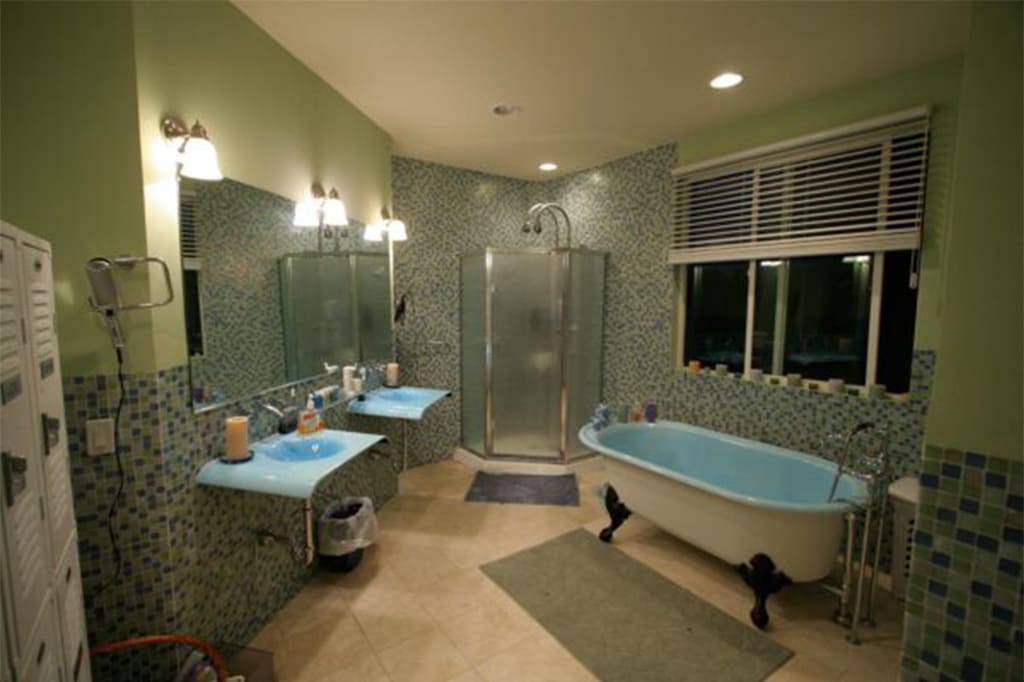
Bathroom lighting often looks simple at first glance, yet small decisions can lead to big problems with comfort, visibility, and overall style. Many homeowners struggle with spaces that feel too dark, overly bright, or unflattering without realizing the issue comes from planning rather than fixtures alone.
Poor placement, mismatched bulbs, and relying on a single light source are frequent challenges that affect daily routines. A thoughtful bathroom lighting design balances brightness, function, and atmosphere so the space works for everything from grooming to relaxing. Understanding these common mistakes helps create a bathroom that feels comfortable, polished, and practical every day.
Why is My Bathroom Lighting Too Dim or Too Harsh?
Many homeowners struggle with bathroom lighting because they either install too little light or flood the space with overly bright fixtures. The problem usually comes down to misunderstanding lighting layers and proper brightness levels. Bathrooms work best when ambient, task, and accent lighting work together instead of relying on a single ceiling fixture. Ambient lighting provides overall visibility, task lighting supports activities like shaving or makeup application, and accent lighting adds depth and comfort. Without this balance, the room can feel gloomy or painfully bright.
Brightness is often measured in lumens, yet many people select bulbs without considering how those numbers affect daily routines. Low-lumen bulbs may leave shadows around mirrors, making grooming difficult. On the other hand, there is a downside to overlighting, especially when cool-toned bulbs create glare that reflects off tile, mirrors, and countertops. Harsh light can make skin tones appear unnatural and turn a relaxing space into something that feels sterile.
Bulb type also matters. Warm white lighting tends to create a softer atmosphere, while daylight tones support detail-focused tasks. Mixing these thoughtfully creates a comfortable, functional space. Professional lighting design helps homeowners achieve this balance by planning fixture placement, brightness levels, and color temperature together. With a well-designed layout, the bathroom feels inviting, practical, and visually balanced throughout the day.
Why Does Bathroom Mirror Lighting Create Shadows on the Face?
Bathroom mirror lighting often creates shadows because many homeowners rely on a single fixture mounted above the mirror. While this setup may seem standard, it sends light downward, casting shadows under the eyes, nose, and chin. The result is uneven illumination that makes grooming tasks more difficult and less accurate. Shaving, skincare, and makeup application all suffer when facial features fall into shadow, leading to frustration during everyday routines.
The ideal approach focuses on placement rather than brightness alone. Vertical sconces installed on both sides of the mirror, or evenly spaced fixtures positioned around eye level, distribute light more evenly across the face. This arrangement minimizes harsh contrast and reduces glare, allowing for clearer visibility and a more natural appearance in the mirror. Balanced lighting also helps create a more comfortable atmosphere, turning the bathroom into a space that feels welcoming instead of overly clinical.
Fixture choice still matters, but positioning plays an equally important role in how light performs. A well-planned layout considers height, spacing, and light direction to avoid unwanted shadows. Professional lighting design brings these details together, combining experience with practical planning to create flattering, functional mirror lighting. When fixtures are placed correctly, daily routines become easier, and the overall bathroom experience feels smoother and more enjoyable from morning through evening.
Are You Using the Wrong Color Temperature in Your Bathroom?
Color temperature plays a major role in how a bathroom looks and feels, yet it’s often overlooked when choosing bulbs or fixtures. Measured in Kelvins, color temperature determines whether light appears warm, neutral, or cool. Lighting that leans too warm can look yellow and dull, making the space feel smaller and less clean. On the opposite end, overly cool lighting may feel sterile, overly bright, or uncomfortable during everyday routines.
Finding the right balance depends on how the space is used and the overall design style. In many cases, bathroom lighting works best within a soft white to bright neutral range, which offers clarity without harshness. Traditional or spa-inspired bathrooms often benefit from slightly warmer tones, while modern designs typically pair well with neutral lighting that supports visibility and clean lines. The goal is to create a comfortable atmosphere while still supporting tasks like shaving, skincare, and makeup application.
Consistency matters just as much as tone selection. Mixing bulbs with different color temperatures creates an uneven look, causing some areas to appear yellow while others look blue or stark. A thoughtful lighting plan keeps tones aligned across fixtures for a cohesive appearance. Professional design guidance helps homeowners select the right temperature and placement, resulting in a bathroom that feels balanced, welcoming, and functional throughout the day.
Is My Bathroom Missing Layered Lighting?
Layered lighting simply means using different types of light together so a bathroom looks better and functions properly. Many bathrooms rely on a single ceiling fixture, which often leaves dark corners, uneven brightness, and a flat, uninviting appearance. When only one source handles everything, the space struggles to support both daily routines and relaxation. A layered approach solves this by assigning specific roles to different fixtures throughout the room.
Ambient lighting provides overall illumination and allows people to move safely and comfortably. Task lighting focuses on areas where precision matters, such as mirrors used for shaving, skincare, or makeup application. Accent lighting adds visual interest, highlighting design features or creating a softer mood during evenings or quiet moments. When these layers work together, the bathroom feels more balanced and visually appealing while supporting real-world needs.
Layering also offers flexibility. Dimmers or smart controls allow brightness adjustments based on time of day or activity, shifting from bright morning routines to a calmer nighttime atmosphere. This level of control improves comfort without requiring major changes to the space. A professional lighting plan brings all these elements together during installation or renovation, aligning fixture placement, brightness levels, and style choices. The result is a bathroom that feels polished, practical, and comfortable for everyday living.
Where is a Bathroom Lighting Design Specialist Near Me?
Great bathroom lighting comes down to thoughtful planning, balanced layers, and smart fixture placement that supports both style and daily routines. When brightness, color temperature, and layout work together, the space feels comfortable, functional, and visually appealing from morning to night. Whether you are updating a single fixture or planning a full renovation, expert guidance can make all the difference. Contact Lighting Distinctions today to schedule your consultation and transform your bathroom lighting.