
Is There a Downside to Overlighting in Outdoor Lighting Design?
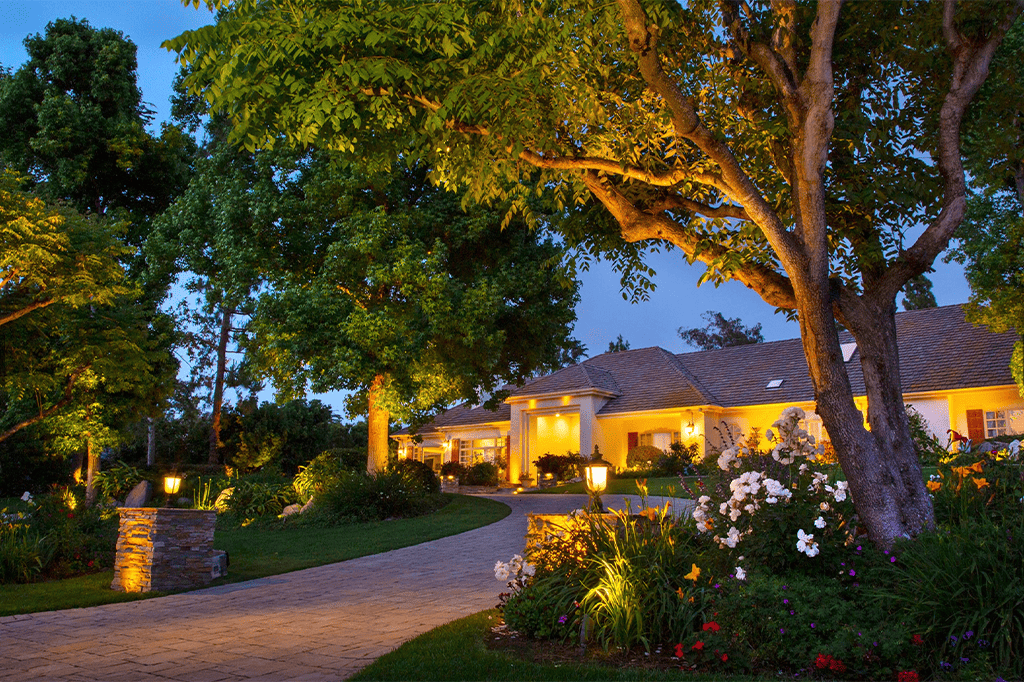
More exterior lighting often feels like a safe, stylish upgrade, but adding light without restraint can quietly work against the result you want. Excess brightness can flatten architecture, create glare, increase energy use, and even reduce visibility after dark. Instead of improving comfort and curb appeal, it can introduce visual noise and unintended side effects.
Thoughtful outdoor lighting design focuses on balance, intention, and control rather than sheer output. When light is placed with purpose, it guides the eye, supports safety, and highlights what matters most. Understanding where overlighting goes wrong helps homeowners make smarter choices that lead to better-looking, more comfortable, and more effective nighttime environments overall.
Does Overlighting Hurt Your Home’s Visual Appeal?
Overlighting can absolutely hurt your home’s visual appeal. While the instinct is often to add more fixtures for safety or drama, flooding an exterior with light usually works against good design. When every surface is equally bright, architectural features lose their hierarchy. Columns, rooflines, stone textures, and landscaping blend together instead of standing apart.
Excessive brightness also creates glare and harsh hotspots. Light bounces off siding, windows, and pavement, producing blown-out surfaces that feel flat and uncomfortable to look at. Without shadow and contrast, the eye has nowhere to rest. Depth disappears, and the home reads more like a stage set than a thoughtfully lit property. Ironically, too much light can make a space feel cheaper rather than refined.
Well-designed outdoor landscape lighting takes the opposite approach. Instead of overwhelming the scene, it guides attention. Subtle highlights draw the eye to key features, while darker areas provide balance and breathing room. Shadow is not a flaw in lighting design; it is a tool that gives structure and mood.
The goal isn’t maximum brightness. It’s visual direction. Lighting should lead the viewer from feature to feature, creating rhythm and dimension. When light is placed with restraint and purpose, your home feels intentional, inviting, and quietly upscale after dark every night.Top of FormBottom of Form
Can Too Much Exterior Lighting Create Glare and Discomfort?
Yes, too much exterior lighting can create glare and real discomfort. Overlighting often produces harsh brightness that shines directly into the eyes of homeowners, guests, and passersby. When fixtures are poorly aimed or overly powerful, light spills beyond its target, bouncing off hard surfaces and washing across yards, sidewalks, and neighboring properties.
Glare doesn’t just feel unpleasant; it interferes with vision. Bright points of light force the eyes to constantly adjust, which reduces contrast in surrounding areas. Ironically, this can make walkways, steps, and entry points harder to read, not easier. Details disappear, edges blur, and shadows that normally help define depth vanish under excessive brightness.
Uncontrolled glare also creates issues inside the home. Light shining into windows disrupts nighttime comfort and pulls attention away from the exterior features the lighting was meant to showcase. Neighbors can feel the impact too when stray beams cross property lines and flood adjacent spaces.
This is why fixture placement and beam control matter as much as output. Thoughtful angles, shielding, and targeted spreads keep light where it belongs. When brightness is directed with care, visibility improves, comfort returns, and exterior lighting works with the environment instead of fighting it. Balanced lighting supports safer movement, calmer nights, and a more respectful neighborhood experience overall.
Does Overlighting Increase Energy Use and Ongoing Costs?
Yes, overlighting does increase energy use and ongoing costs. When a home uses more fixtures than necessary or relies on higher wattage than the space actually needs, energy consumption rises fast. Even efficient lighting options can become wasteful when they’re overused. The problem isn’t the technology, it’s the excess.
Every additional fixture adds to monthly utility bills and long-term operating costs. Lights that run longer or shine brighter than required quietly drain energy night after night. Over time, that extra usage compounds, leading to higher expenses without adding real value to the property’s appearance or function.
This is where thoughtful lighting design makes a difference. Instead of defaulting to “more light,” good design focuses on right-sizing the system. That means selecting the correct number of fixtures and matching output levels to the specific task or feature. The result is a cleaner, more refined look that avoids waste.
It’s also worth noting that one of the top trends of 2026 is smart lighting. Smart controls allow homeowners to fine-tune brightness, set schedules, and reduce unnecessary runtime. When lighting responds to actual needs instead of staying fully powered all night, energy use drops naturally.
By dialing in placement and output, homeowners can create an attractive exterior while keeping energy use and long-term costs under control.
Can Overlighting Reduce Safety Instead of Improving It?
Overlighting can actually reduce safety instead of improving it. While bright exterior lighting feels protective, excessive brightness often creates harsh contrasts between lit and unlit areas. When eyes move from a flooded driveway to a darker walkway or yard, they need time to adjust. That brief adjustment period can cause temporary night blindness, making obstacles harder to spot.
Overly bright fixtures also cast deep, hard-edged shadows. Railings, steps, landscaping, and uneven surfaces can disappear into darkness right next to intense light. This uneven visual field confuses depth perception and makes movement less predictable, especially for guests unfamiliar with the property.
Instead of revealing hazards, overlighting can hide them. Glare bounces off pavement and siding, washing out textures and edges that normally help people judge distance and elevation. The result is less usable visibility, not more.
Balanced, layered lighting addresses safety in a smarter way. Lower-output fixtures, placed with intention, create gradual transitions between light and dark. Path lights define walking routes, while accent lighting provides context without overpowering the scene.
When lighting works in layers rather than extremes, the eyes stay comfortable and alert. Clear sightlines, consistent contrast, and controlled shadows allow people to move confidently. True exterior safety comes from balance, not brightness alone after dark each night.
Is There a Lighting Design Expert Near San Diego?
Smart exterior lighting is about restraint, balance, and intention. When fixtures are chosen and placed with care, homes feel inviting, comfortable, and visually refined without excess brightness or wasted energy. A well-planned system adds clarity, depth, and confidence after dark while respecting neighbors and surroundings. For guidance built around your property and goals, contact Lighting Distinctions today and speak with our designers about your lighting plan.