
What Are the Top Landscape Lighting Trends of 2026?
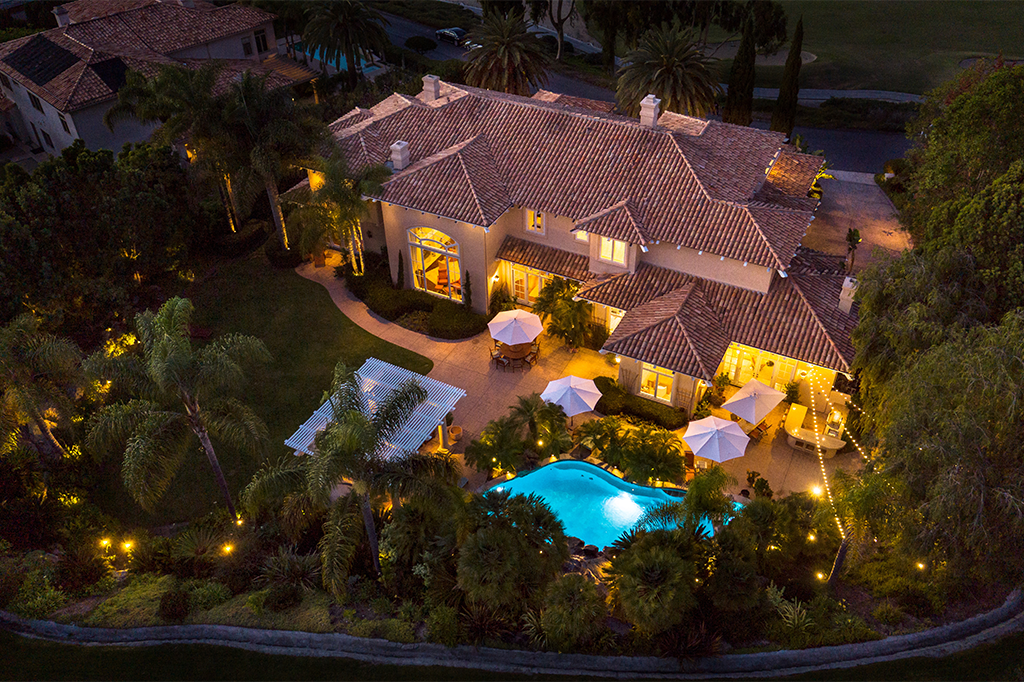
Landscape lighting continues to evolve beyond basic visibility, shaping how homes and commercial properties feel after dark. In 2026, lighting design places greater emphasis on atmosphere, balance, and adaptability, blending technology with thoughtful placement to create outdoor spaces that feel intentional and inviting.
Property owners are paying closer attention to how lighting supports architecture, highlights natural features, and responds to real-world use throughout the evening. From subtle color choices to flexible control options, modern lighting trends reflect a shift toward comfort, visual depth, and consistency across indoor and outdoor environments.
The result is lighting that works quietly in the background while transforming how spaces are experienced at night.
How is Smart Technology Changing Landscape Lighting Design?
Landscape lighting in 2026 is increasingly shaped by smart integration, with outdoor systems tying directly into broader home and building ecosystems. Instead of relying on manual timers or individual switches, homeowners and property managers now manage lighting through intuitive apps that mirror the experience of interior smart lighting. From a phone or tablet, users can adjust schedules, brightness levels, and zones without stepping outside or touching a single fixture.
App-based control makes it simple to tailor lighting to real-world use. Path lights can dim late at night, entertainment areas can brighten for gatherings, and commercial properties can shift lighting patterns based on business hours or seasonal traffic. Zoning allows different areas of a property to behave independently, while remote access gives owners peace of mind when traveling or managing multiple locations.
Another major shift is the growing popularity of dynamic color options. Many modern landscape lighting designs allow colors to be changed instantly, supporting holidays, events, or subtle seasonal transitions without rewiring or fixture swaps. Warm whites for everyday use can easily transition to accent colors for special occasions.
Smart home lighting also supports visual consistency between interior and exterior spaces. Lighting scenes can align outdoor tones with indoor ambiance, creating a cohesive look that feels intentional and polished. The focus stays on comfort, flexibility, and ease of use, making advanced lighting feel approachable rather than complicated.
Why Are Warm Color Temperatures Taking Over Landscape Lighting in 2026?
Warm color temperatures are taking over landscape lighting in 2026 as homeowners and property managers move away from harsh white and bluish light that can feel sterile or overpowering at night. Softer, warmer tones create an environment that feels calmer, more natural, and better suited for evening hours when people want to relax rather than feel alert or exposed.
One of the biggest drivers behind this shift is comfort. Warm lighting reduces glare and eye strain, making outdoor spaces easier to navigate without feeling washed out. Pathways, patios, and entryways lit with warmer tones feel inviting instead of stark, which is especially noticeable in residential settings where lighting blends into daily life.
Warm color temperatures also complement natural materials far better than cool light. Stone textures appear richer, wood finishes look deeper, and landscaping feels more organic when illuminated with softer hues. Greenery benefits as well, taking on a more natural appearance instead of the flat look caused by overly white lighting.
This trend is not limited to homes. Commercial properties are adopting warm outdoor lighting to create welcoming nighttime environments for guests, customers, and tenants. Restaurants, hotels, offices, and mixed-use spaces all benefit from lighting that encourages people to linger comfortably rather than rush through brightly lit areas.
Overall, warm lighting supports atmosphere, balance, and visual harmony, making outdoor spaces feel intentional and comfortable long after the sun goes down.
How Does Architectural Lighting Play a Bigger Role in Modern Landscapes?
Architectural lighting plays a much bigger role in modern landscapes by shifting the focus from blanket illumination to intentional highlights that showcase structure, form, and clean lines. Instead of flooding entire yards with light, designers now use precise placement to guide the eye and create visual depth after dark.
This approach brings attention to walls, columns, facades, and elevation changes that might fade away at night without thoughtful lighting. Grazing techniques can reveal texture on stone or brick, while subtle uplighting emphasizes vertical lines and adds presence without overpowering the space. Downlighting and shadow play help define transitions between levels, walkways, and outdoor rooms.
Lighting design increasingly works hand-in-hand with architecture, treating the home or building as the focal point rather than the surrounding fixtures. Patios, outdoor kitchens, and decks benefit from lighting that outlines edges, seating areas, and built-in features, making spaces feel intentional and well balanced. Even garage lighting is being approached architecturally, using focused fixtures to frame doors and complement the structure instead of blasting driveways with harsh light.
Commercial properties use the same principles to create polished nighttime curb appeal. Offices, restaurants, and mixed-use buildings rely on architectural lighting to guide visitors naturally while maintaining a clean, cohesive look.
Overall, architectural lighting brings clarity, definition, and visual harmony to landscapes, helping properties feel designed rather than simply illuminated once the sun goes down.
What Does Layered Landscape Lighting Mean and Why is it Trending in 2026?
Layered landscape lighting refers to a design approach that uses multiple fixture types together to create balance, depth, and function rather than relying on a single lighting style across an entire property. In 2026, this method is trending because it delivers outdoor spaces that feel natural, usable, and visually interesting after dark.
At its core, layered lighting combines path lights, accent lights, wash lights, and task lighting, with each serving a distinct role. Path lights guide movement and improve visibility along walkways and driveways. Accent lights highlight trees, architectural details, or focal points. Wash lights softly illuminate broader surfaces like walls or fences, while task lighting supports specific activities such as cooking in an outdoor kitchen or seating areas on patios and decks.
This mix prevents landscapes from feeling flat or overly bright. Instead of flooding everything with light, layering creates contrast between lit and shadowed areas, adding depth and dimension. Spaces feel calmer and more intentional, with light placed where it actually adds value.
Layered lighting also allows plans to adapt to different zones of a property. Entryways, gathering spaces, and quiet garden areas can all receive lighting that fits their purpose. Residential and commercial properties alike benefit from this flexibility, since outdoor areas rarely serve just one function.
By using a thoughtful combination of fixtures, layered landscape lighting improves usability, visual flow, and overall nighttime comfort without overwhelming the space.
Who Can Design My Landscape Lighting Near San Diego?
Landscape lighting trends in 2026 show a clear shift toward thoughtful design, flexibility, and atmosphere that supports how spaces are actually used after dark. When these elements come together, outdoor areas feel cohesive, comfortable, and visually balanced throughout the evening.
Professional design makes the difference between simply adding light and creating an experience. To explore lighting options tailored to your property, contact Lighting Distinctions today and start planning a lighting design that works beautifully night after night.